Fourth Wing Dragon Types: Colors, Tails, Signets
Every dragon type in Fourth Wing explained: why dragons bond riders, how Presentation and the Threshing work, all six colors, five tail types, and signets.
FAQ
How many dragon types are there in Fourth Wing?
What is the strongest dragon type?
What is a signet in Fourth Wing?
Are feathertails a seventh dragon type?
Where can I look up dragon bloodlines?
What Are the Dragon Types in Fourth Wing?
Fourth Wing’s dragons come in six adult colors — black, blue, brown, green, orange, and red — and every one of them carries a different temperament, a different reputation, and a different way of killing. Color decides character; the tail decides combat. And none of them are pick-your-pet options, because the first law of the world is that dragons do the choosing.
This page is a book-universe overview: one pass through why dragons bond riders at all, how Presentation and the Threshing filter candidates down to riders, what each color is known for, what each tail type does, and how the resulting bond turns into a signet. If you arrived from the Dragonkind browser game, note the difference — our color guides there mix canon with what players report; this page stays with the books.

Fourth Wing dragons explained — Threshing, relics, bonds, and signets (fan visual companion)
Why Do Dragons Bond With Riders?
Because dragons have all the power and none of the hands. The books’ dragons hold immense raw magic, but they lack the human means to apply it precisely — weaving the wards that shield their hatching grounds takes a human partner to channel through. The bond is the answer: an intimate, unbreakable alliance in which the dragon’s power gains a rider’s hands and the rider gains the backing of an ancient predator.
The stakes of that partnership are written into the opening of the Dragon Rider Codex, the in-world manual every cadet studies:
A dragon without its rider is a tragedy. A rider without their dragon is dead.
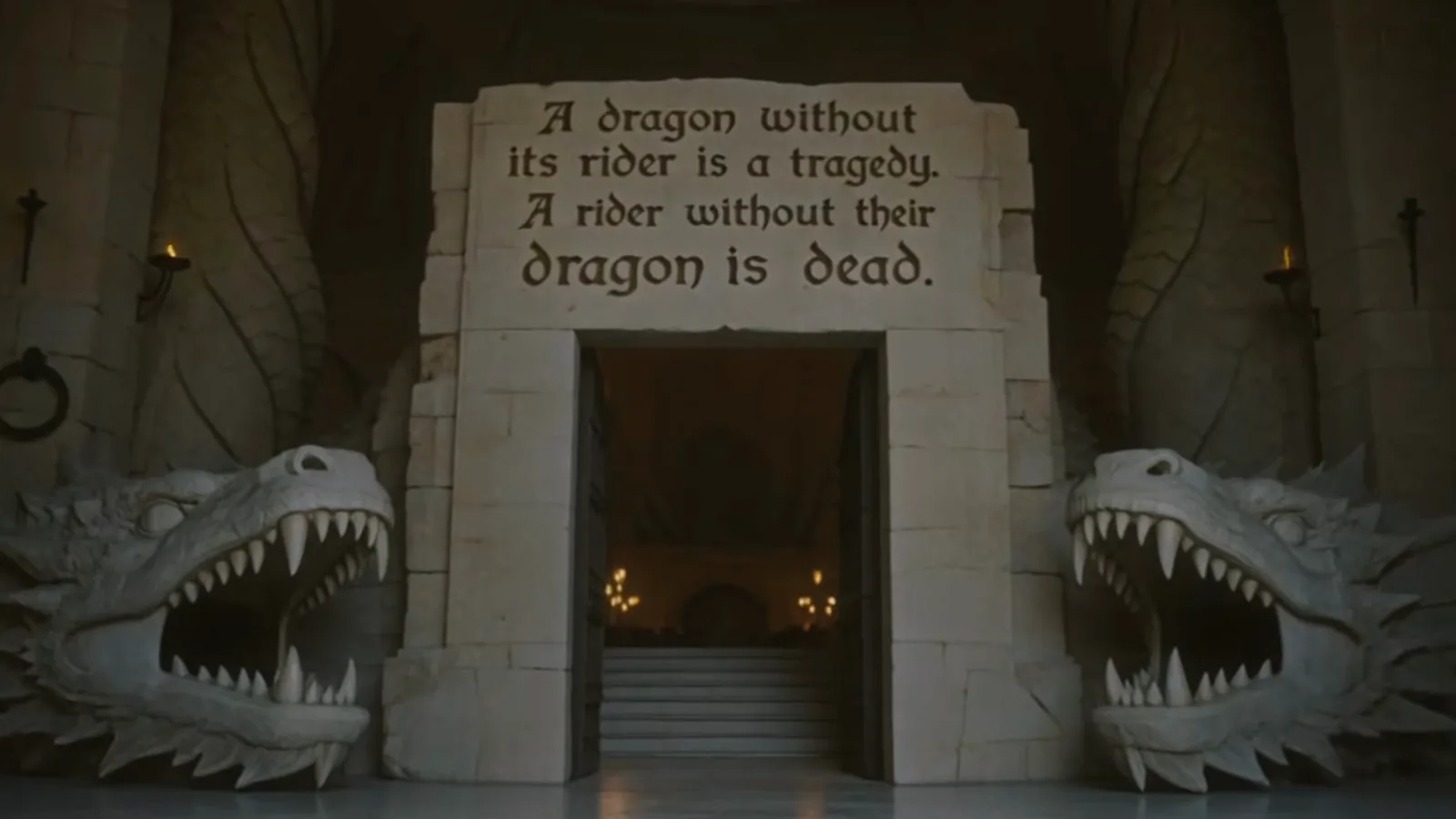
The Codex’s first law, carved where every candidate can read it.
That single sentence is why the bonding trial exists at all — and why it kills. A rider without their dragon is dead; a candidate who approaches a dragon wrong simply stays a candidate, briefly. The full mechanics of what a bond grants are covered in how dragon bonding works.
How Do Presentation and the Threshing Work?
You do not get a dragon — a dragon might get you. The path from candidate to rider runs through two filters, and both are lethal.
Presentation comes first: the first-years parade single file past the assembled dragons, who look each candidate over. It is the dragons’ first chance to weed out the unworthy, and their criteria are their own — direct eye contact, visible cowardice, or anything a dragon reads as disrespect can end in fire on the spot.
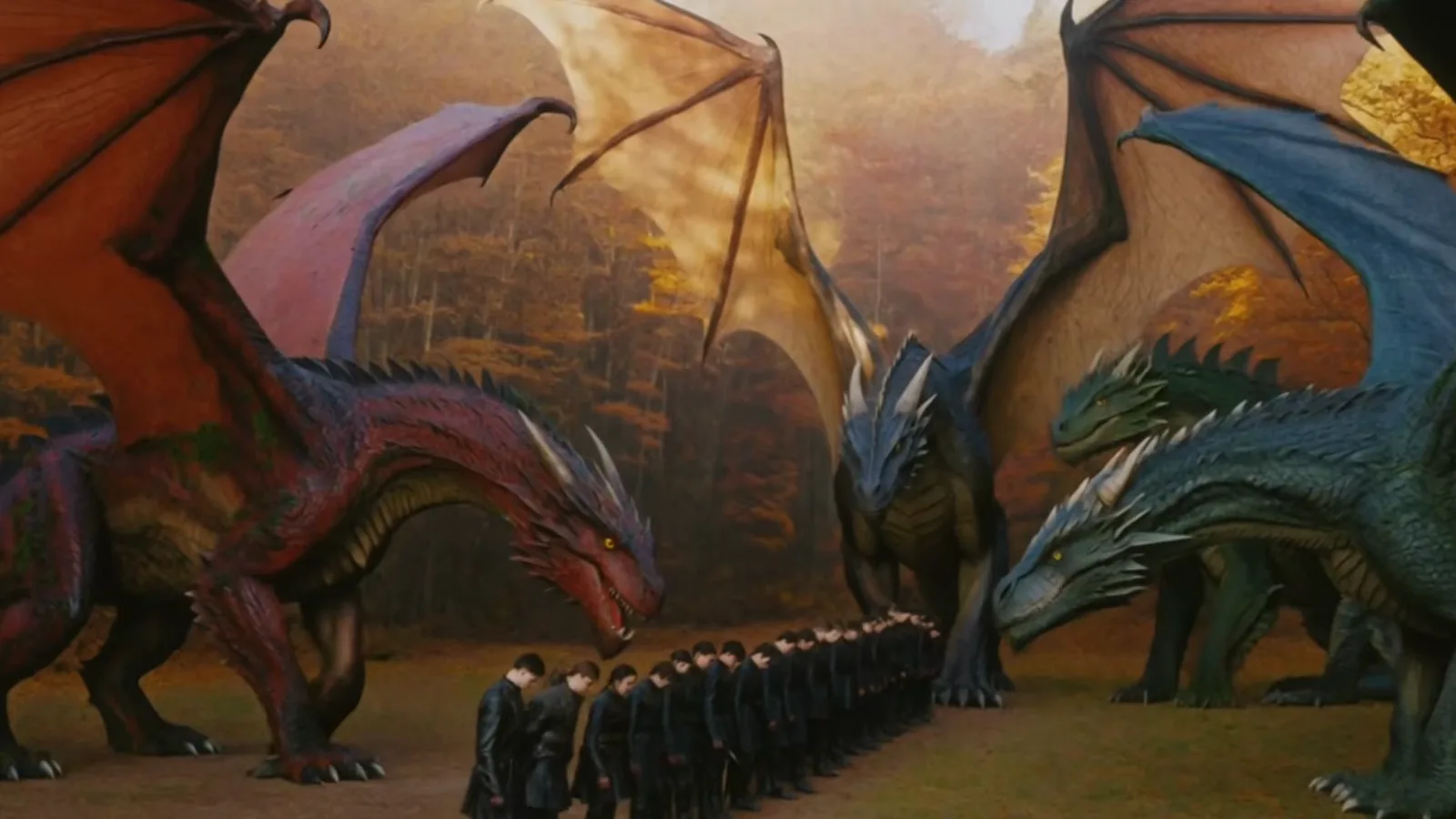
Presentation: the dragons look the first-years over before the Threshing.
The Threshing follows on October 1, when the survivors cross into the forested valley — the trial we cover in what Threshing Day is. Two things are happening at once in those woods. You are trying to impress a dragon, and you are trying to survive your own classmates, because there are never enough dragons willing to bond and fewer candidates means better odds. Candidates are taught to trust their instincts: if a dragon has already chosen you, you feel it — and if your instincts scream at you to run, you run.
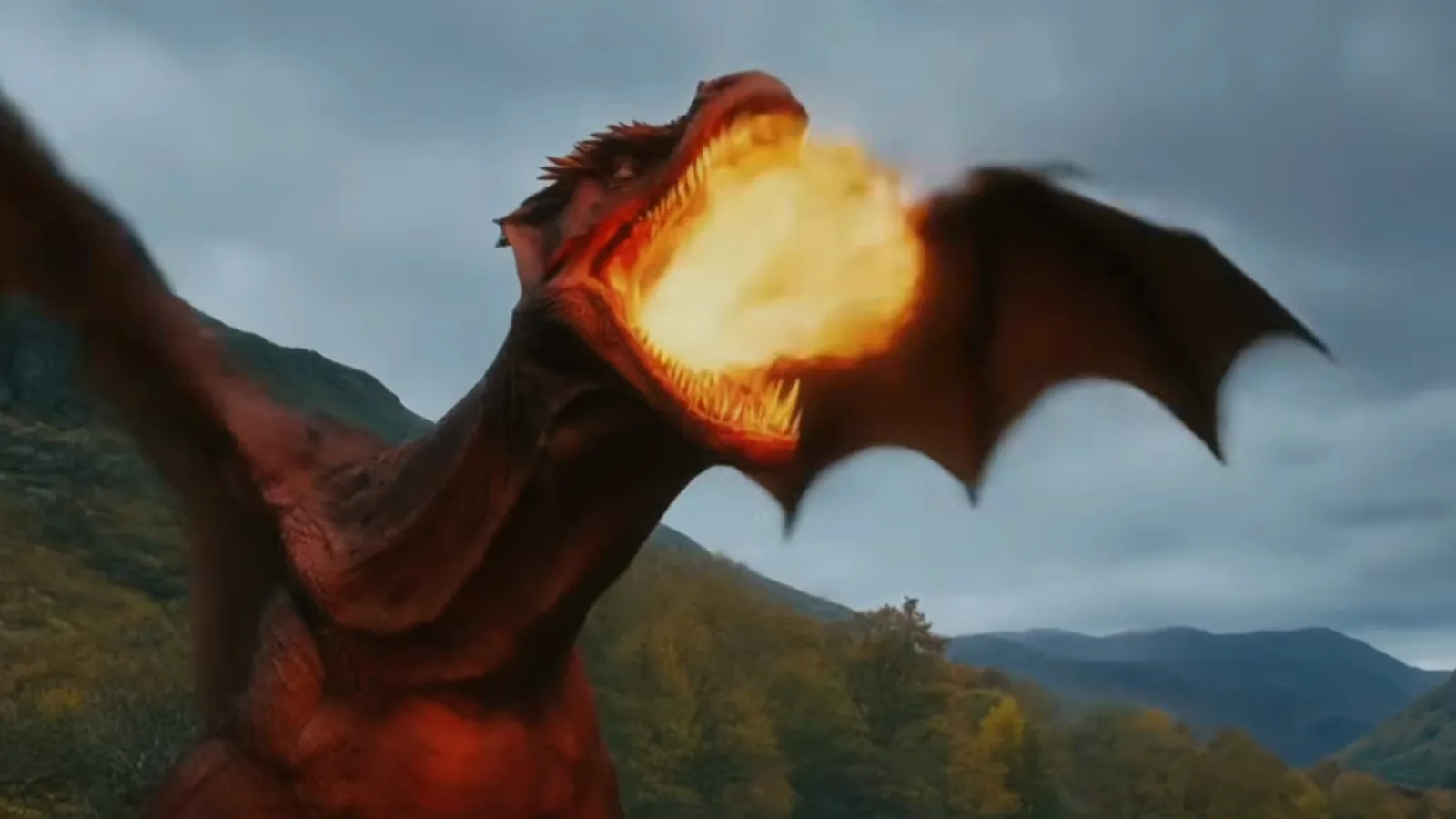
A wrong move in the valley can be your last.
When a dragon does deem you worthy, the connection snaps into place — a telepathic bridge with an ancient mind on the other end. The dragon shares its name, you learn to build mental walls fast, and you are no longer a candidate. You are a rider.
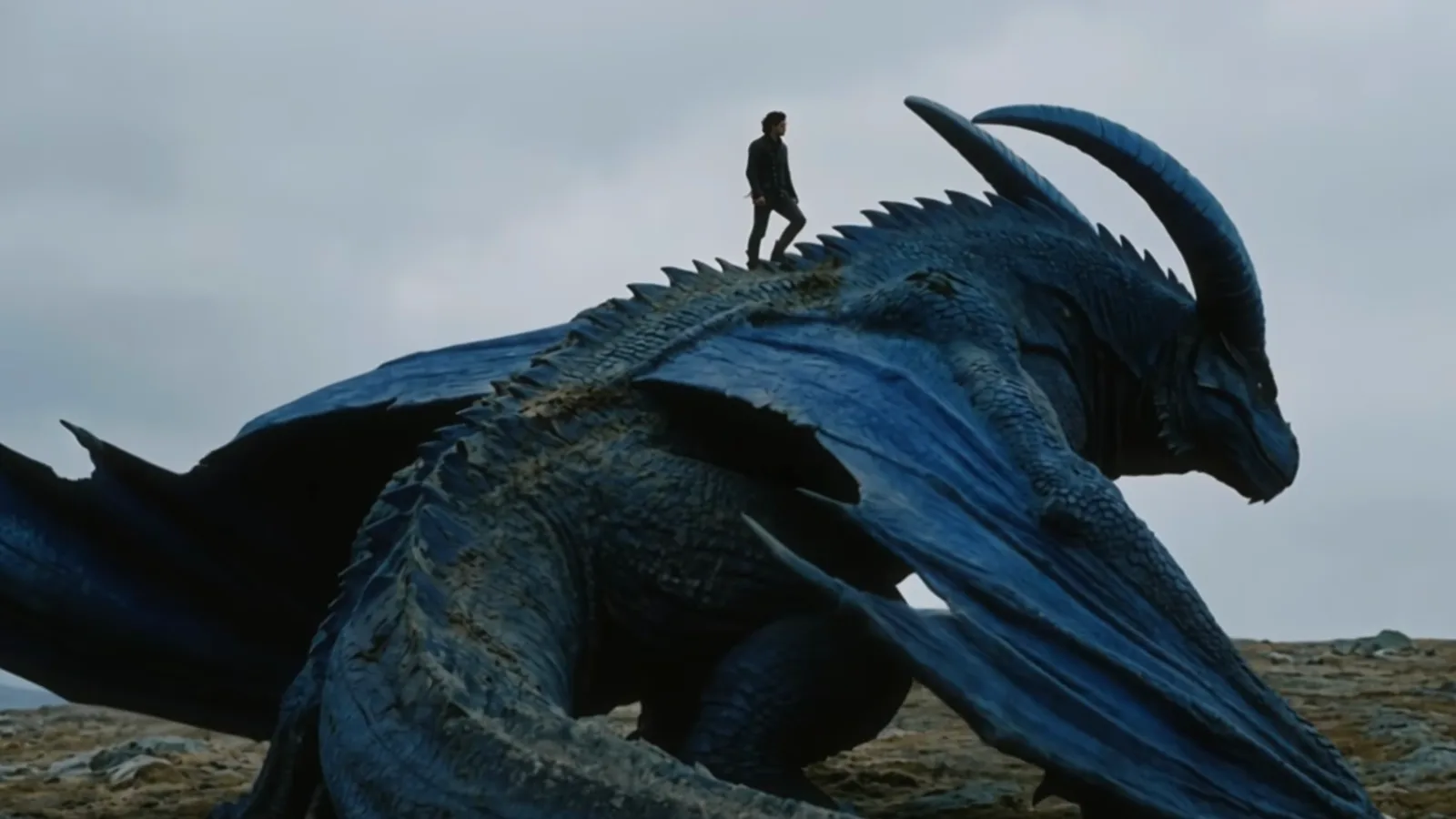
The walk along your dragon’s back is the walk into a new life.
What Are the Dragon Colors and Their Traits?
Six dens, six reputations. Each color below links to its full guide with approach rules and riders:
- Black — the rarest den and the most cunning; the official series site says outsmarting a black is impossible. Tairn, Violet’s dragon, is a black Morningstartail. See the black dragon guide.
- Blue — renowned for immense size and absolute ruthlessness; the official advice is to flee rather than approach. Sgaeyl, Xaden’s dragon, is a blue Daggertail. See the blue dragon guide.
- Green — keen intellect and a rational nature; the tacticians and siege masters, and the only color with a written approach technique (lower your eyes, never back down). See the green dragon guide.
- Brown — steadfast and lethal, the steadiest riders in the Quadrant; the epigraph’s whole rule is “don’t show trepidation.” See the brown dragon guide.
- Red — the notorious hair-trigger temper; the epigraph’s clearest rule is “never look a red in the eye.” See the red dragon guide.
- Orange — officially “the most unpredictable of dragonkind,” a volatile risk on any battlefield. See the orange dragon guide.
What about the golden dragons — the feathertails?
Every dragon starts life as a small golden feathertail, so gold is a stage rather than a seventh den. Feathertails cannot be ridden, and juvenile bonding is the one rule the dens guard hardest — which is what makes Andarna’s bond with Violet a near-unheard-of “second honor.” Feathertails also break the mechanics: they do not channel raw magic to fuel a signet the way adults do. They gift their own innate abilities directly to the human they bond, and Iron Flame shows what that generosity costs a growing dragon.
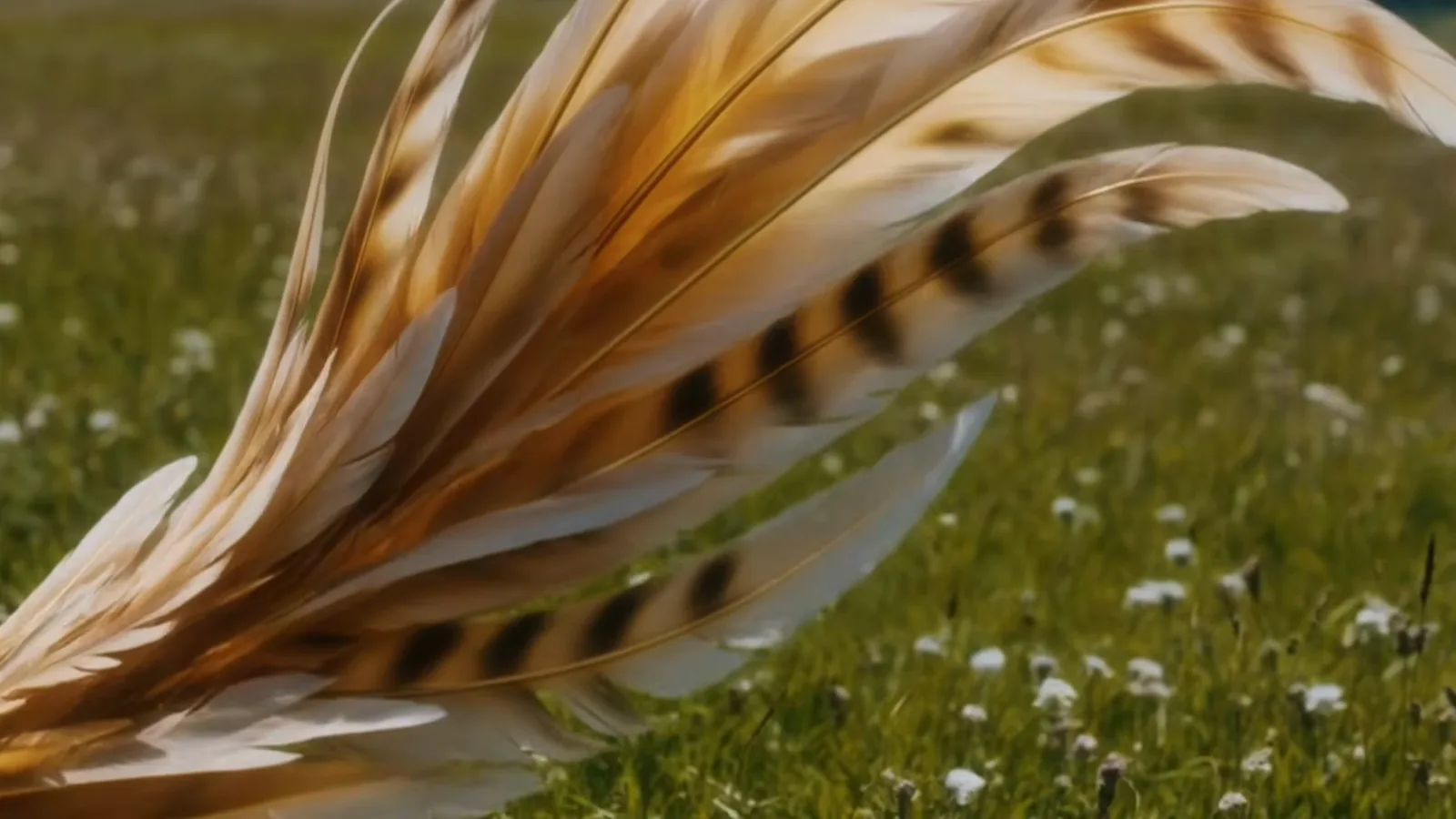
Every dragon starts here: gold, feathered, and small.
Readers past Onyx Storm: the seventh kind (spoiler)
The six dens are not quite the whole story. Later in the series the books reveal a mysterious seventh kind — a forgotten bloodline whose iridescent scales shift to mimic its surroundings — and that reveal reframes what you thought you knew about the six colors. That is as far as this page goes.
What Do Tail Types Mean?
Color dictates temperament; the tail dictates exactly how a dragon fights. The books name five tail types, and the Dragonkind game prints one of them on every result card:
- Swordtail — a massive flat blade built to slice, kept sharp along its length.
- Clubtail — pure blunt force; a single calculated swing shatters what it hits.
- Daggertail — knife-like spikes that can disembowel with one flick; the official site calls the Blue Daggertail the rarest of its kind.
- Scorpiontail — a venom-laced barb that can end a fight without prolonged contact.
- Morningstartail — the hybrid apex: a club’s crushing power fused with a dagger’s tearing spikes. Tairn carries one.
Community tracking pairs the six colors with these five tails for 30 possible dragons — a Reddit-megathread count, not an official figure. The only official statement is that all colors and tail types are possible. The full five-by-six grid, filled in with every notable dragon, is in our dragon lineages guide.
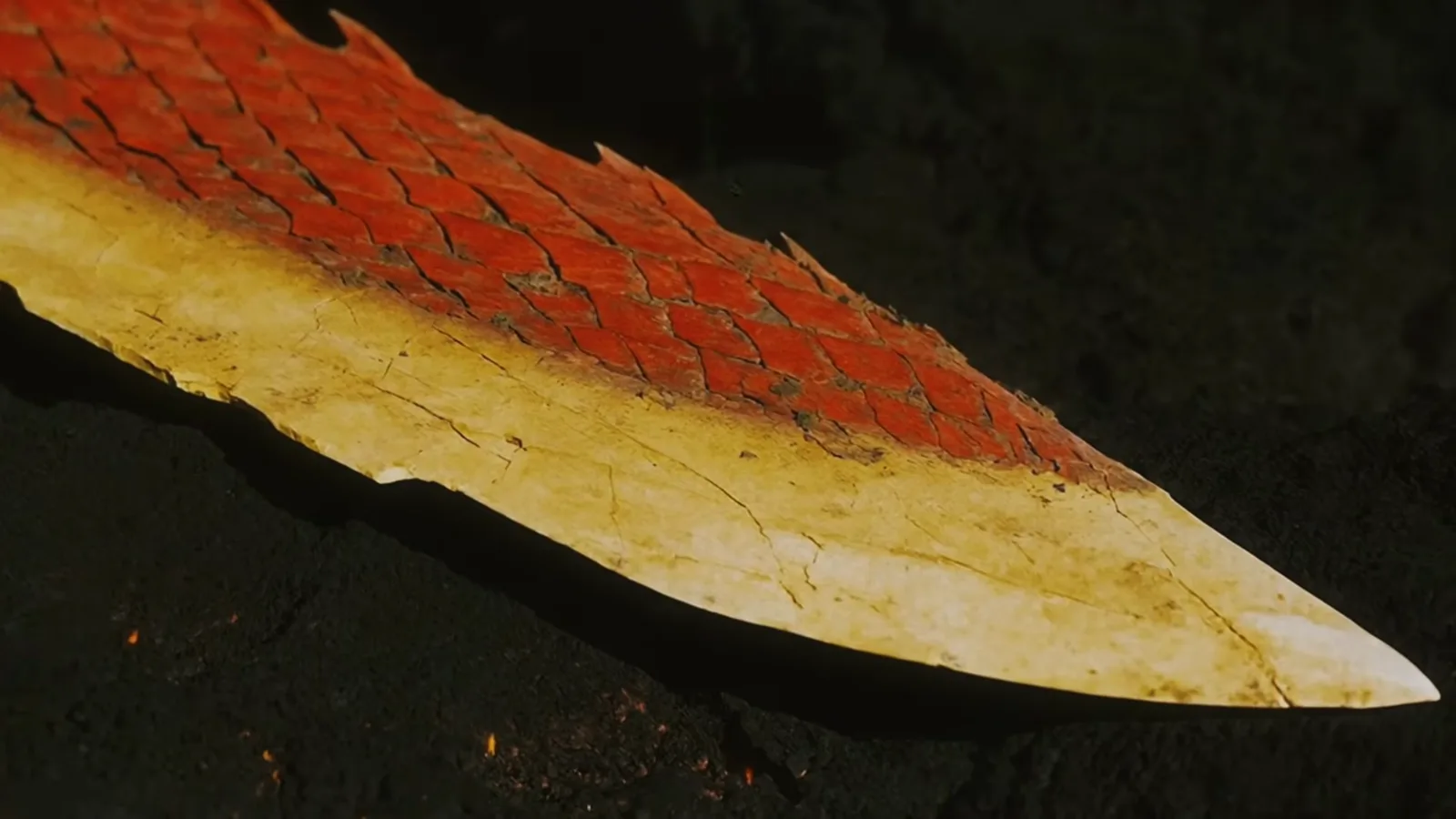
Five tails, five ways a fight ends.
How Do Signets Work?
The bond marks the rider permanently. Dragons burn a relic into their rider’s skin — a brand in dragon-inspired shapes — and the mark is not decoration: it is the conduit that lets a dragon’s raw, molten power flow into a fragile human body without destroying it.
But a human body is not a battery. Power that floods in must find an outlet, or it turns on the rider and burns them out from the inside. That life-saving release valve is the signet — the unique power every bond awakens, and the reason riders are more than passengers.
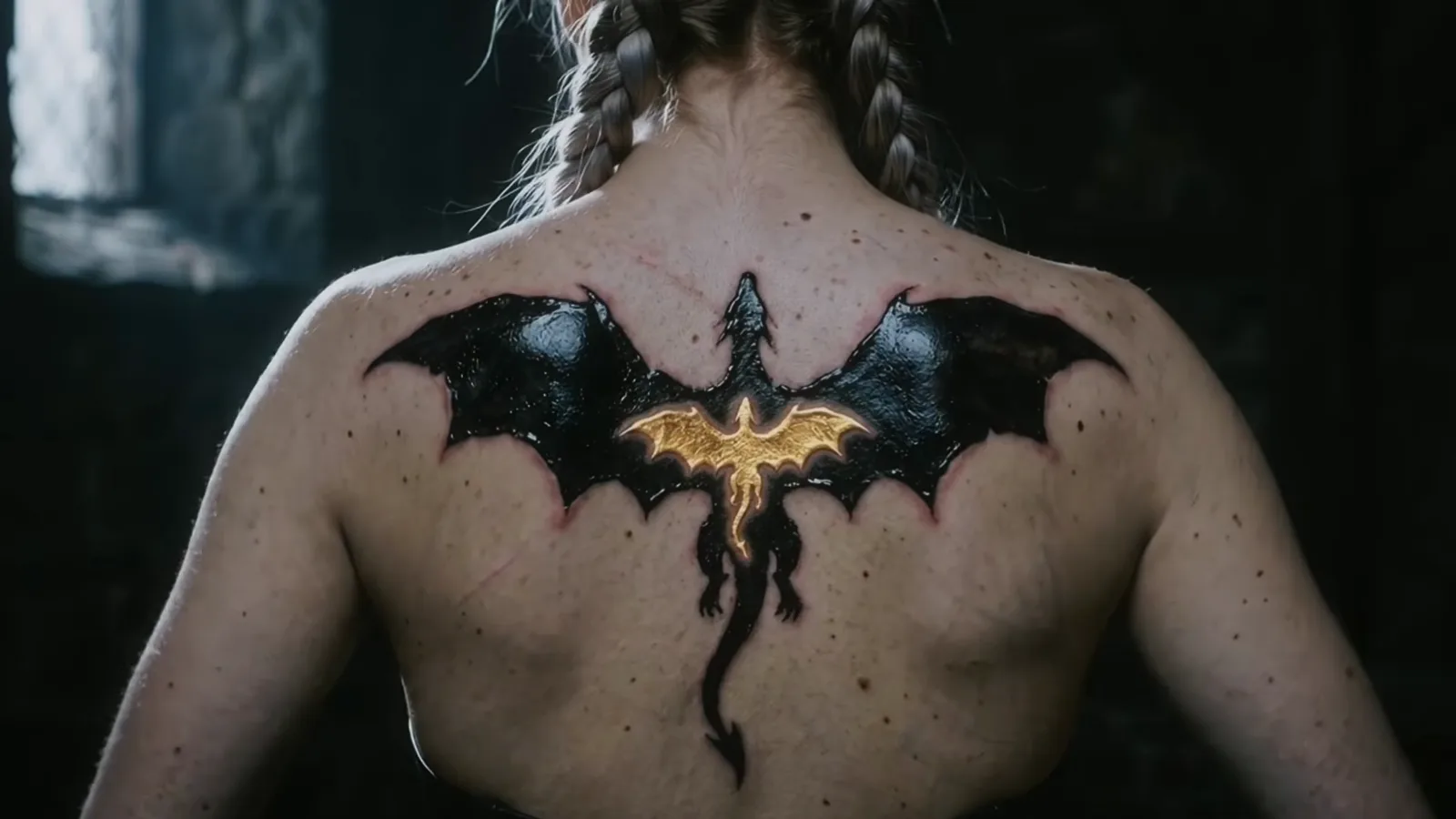
A relic is a bond made permanent — dragon fire, not ink.
Two rules govern what your signet becomes. First, the signet reflects the rider — it takes the shape of who you are, which is why Violet’s signet is lightning and General Lilith Sorrengail’s commands the weather. Second, the dragon sets the ceiling: the same signet scales differently on a century-old black Morningstartail than it would on a lesser dragon — a framing fans use to summarize why the biggest bonds produce the biggest powers. The complete picture, including feathertail gifts and mated pairs, is in how dragon bonding works.
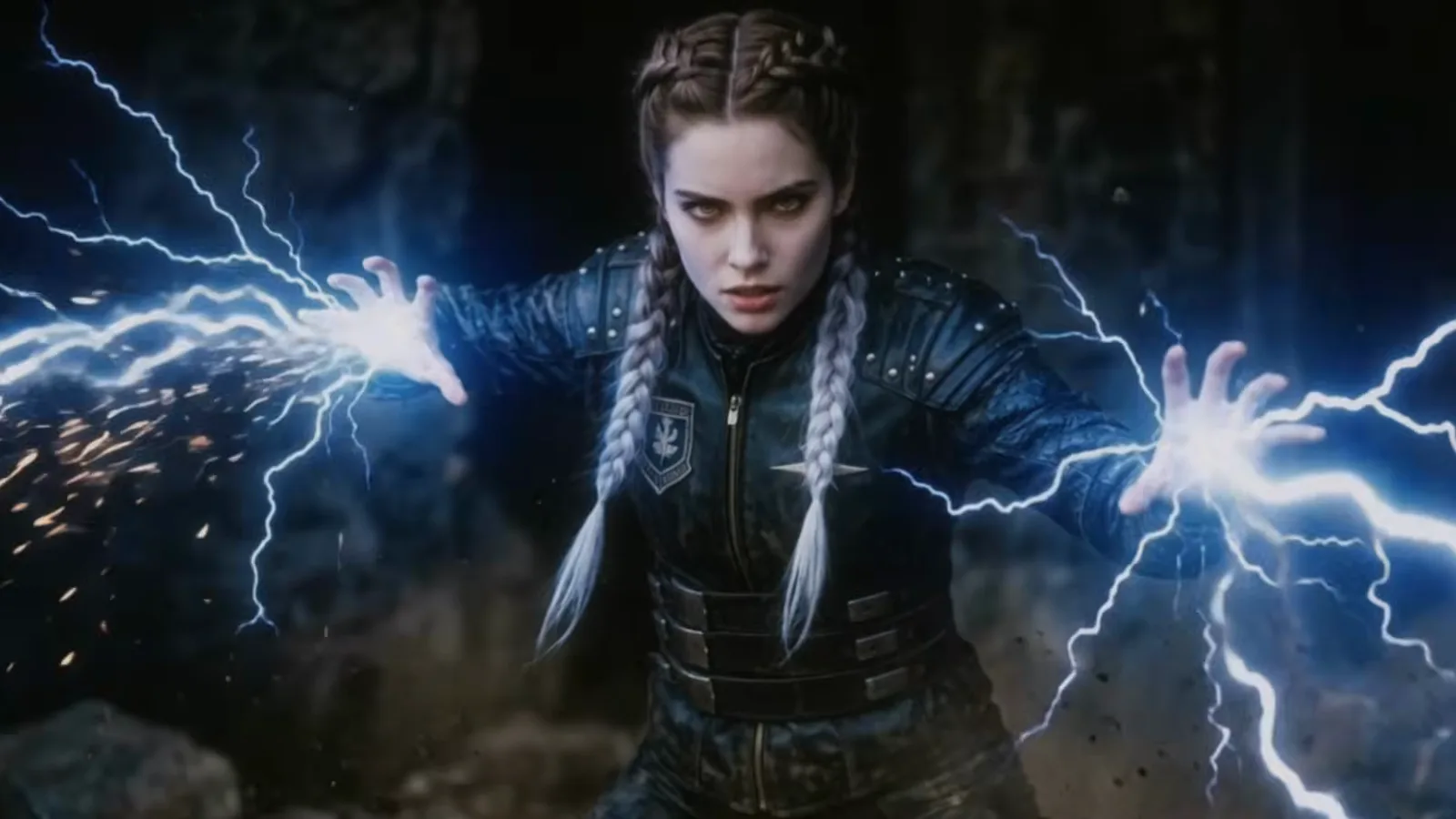
Lightning finding its outlet — a signet in action.
Where Should You Go Next?
If the books are your lane, the field guide explainer covers where the color rules come from, and the dragon lineages guide maps every named bloodline. If you would rather test yourself, the six color guides — black, blue, brown, green, orange, and red — pair each den’s canon with what players report in the Dragonkind game, and the dragon bonding quiz tells you which den would look twice at you.
Related Articles
Book
Fourth Wing Board Game: Rise of the Wingleader
How to play the Fourth Wing board game Rise of the Wingleader by Goliath: setup, the play, claim and fold actions, signet unlocks, injuries, and winning.
Guides
How to Approach Dragons in Fourth Wing
Every dragon approach rule in Fourth Wing: the field guide's three rules, the official site's advice for all six colors, and what holds in the Dragonkind game.
Book
Field Guide to Dragonkind: Kaori's Quotes & Rules
Colonel Kaori's Field Guide to Dragonkind is an in-world book quoted in Empyrean chapter epigraphs. What it says about each dragon color, with sources.
Was this helpful?
Thanks for the feedback!